SEARCH ENGINE ADVERTISING
Search engine advertising (SEA), together with search engine optimisation (SEO), form the powerful duo known as search engine marketing (SEM).
While SEO focuses on earning “organic” traffic through strategic content and technical website improvements, SEA is all about paid advertising. It gives you the power to place your business directly in front of potential customers at the exact moment they’re searching for your products or services.
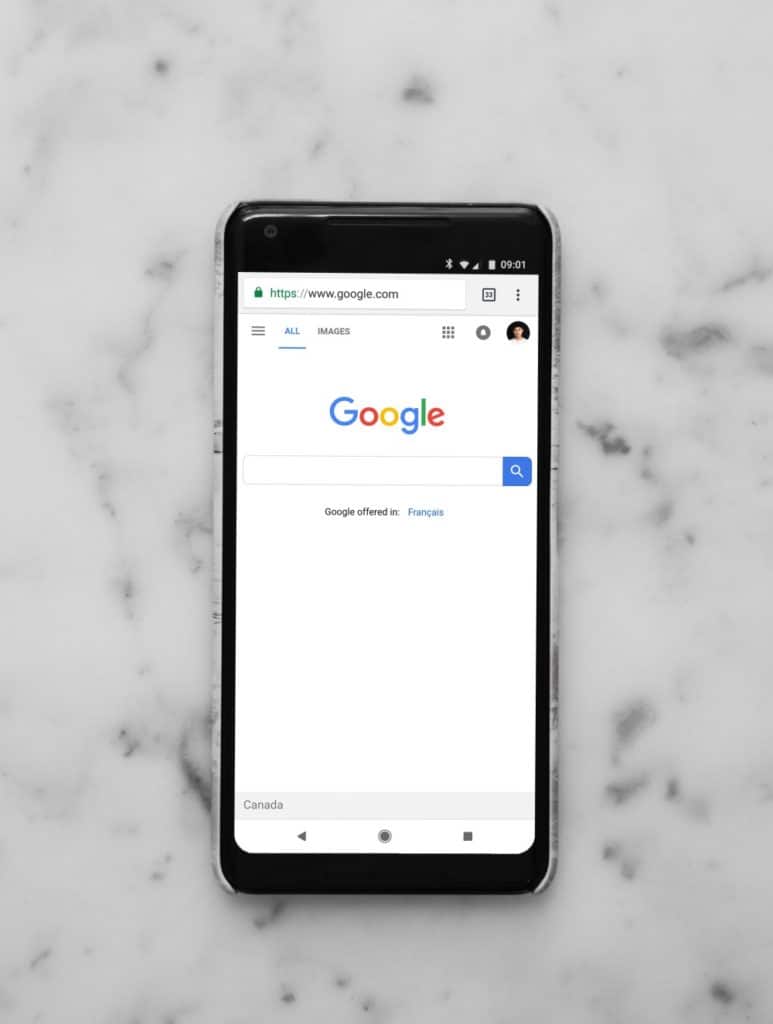
The search advertising landscape is dominated by Google, which holds a staggering 89.62% of the global market share across all devices as of March 2025 (source: statista.com). Its closest competitors, Bing (powered by Microsoft) and Yandex, hold much smaller shares at 4.01% and 2.51% respectively. Because of this, Google is usually where most businesses start, and the platform has evolved dramatically with powerful AI-driven tools.
The performance of your ads is affected by several key factors:
- Campaign Strategy & Setup: The choice of campaign type, keywords, and audience targeting is fundamental. With the rise of AI, leveraging features like Google’s Performance Max campaigns is becoming essential. These campaigns use AI to optimise your ads across all of Google’s channels – including Search, YouTube, Display, and Maps – from a single setup (source: ads-developers.googleblog.com). Recent enhancements for 2026 provide greater transparency with channel breakdowns and search term insights, giving you more control than ever. This is where expert guidance can make all the difference (that’s where I come in!).
- Local Visibility: For businesses serving a specific area, Google’s Local Services Ads (LSAs) are a game-changer. As of 2026, LSAs are tightly integrated with your Google Business Profile and Maps, automatically pulling in your verified details and making your business highly visible to local searchers, complete with a distinct square pin on the map (source: support.google.com).
- Ad Creatives: High-quality images, videos, and compelling ad copy are crucial.
- Industry Competition: Successful campaigns also depend on how competitive your industry is and what your closest competitors are spending on their advertising.
- Privacy & Compliance: The rules around data are tightening. New regulations in the UK, EU, and US taking effect in 2025-2026 place stricter controls on how you can target audiences, particularly when it involves sensitive data or advertising to children. Navigating this landscape is critical to running effective and compliant campaigns.
- Website Experience: Last but by no means least, how well your advertising converts into a lead or sale depends on how clear and convincing your website design is. A seamless user experience on your landing page is essential to capitalise on the traffic your ads generate.
A well-managed Google Ads campaign can deliver incredible results. For our client, Elaine Cleaning Services, a targeted campaign led to a 118% increase in new lead forms, a 54% rise in clicks to contact, and a 73% boost in site sessions over just three months.
Fill in the form below and let’s see how we can grow your business with search engine advertising.
case study
GOOGLE PAID ADS
How I drove more traffic and leads for a cleaning company in South London through Google paid ads.